France's Last Wild River
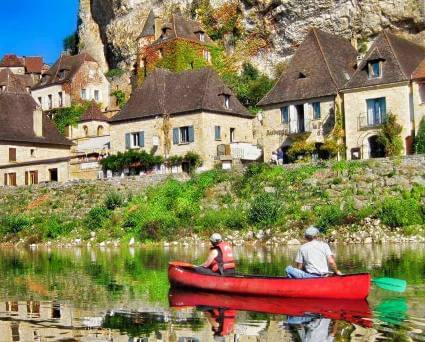
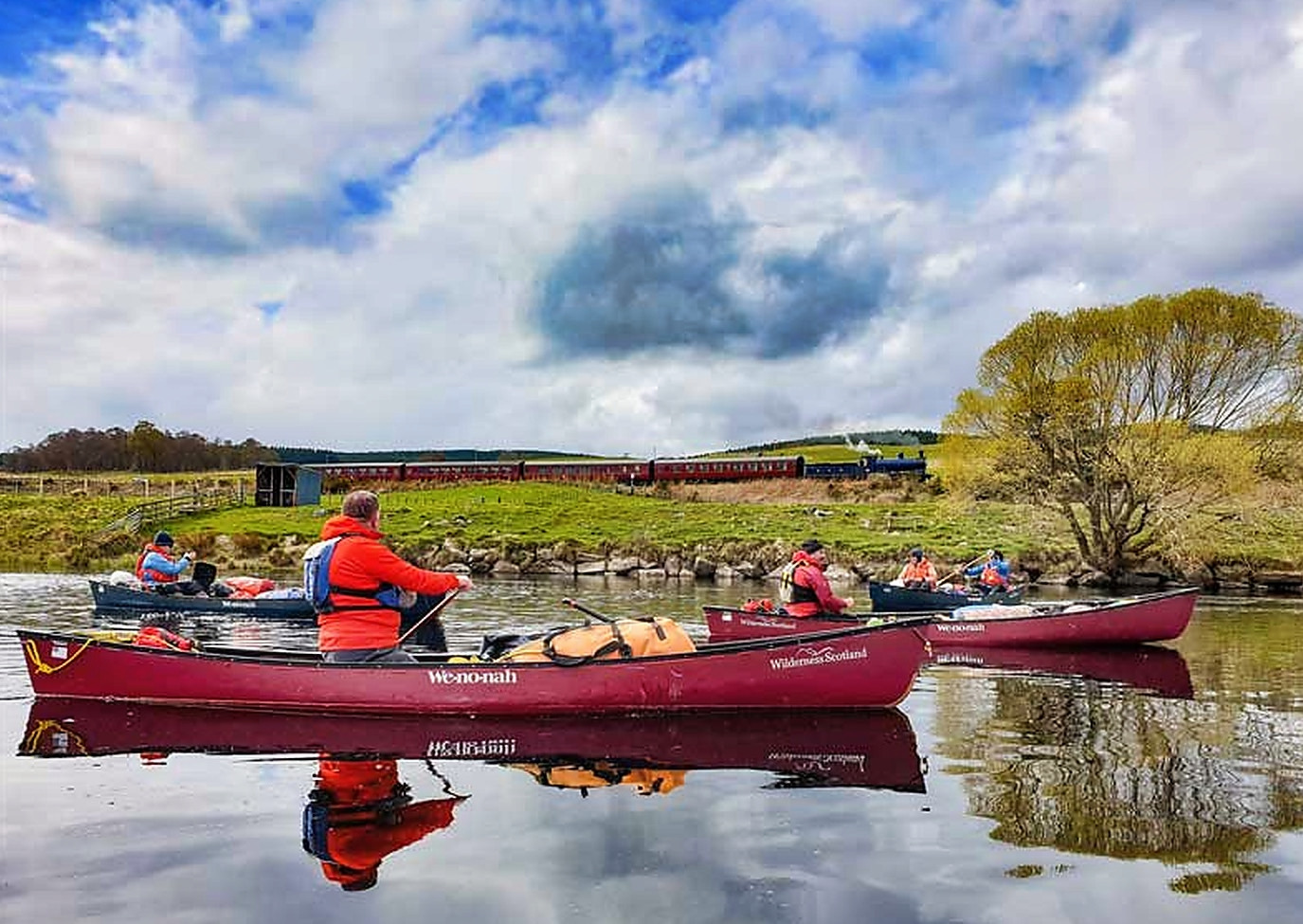
The Allier River flows through a quieter corner of France. Here the valley feels untamed, winding past basalt cliffs, forested hills, and small villages far removed from the rush of modern life. Traveling by canoe reveals this landscape slowly, one bend of river at a time.
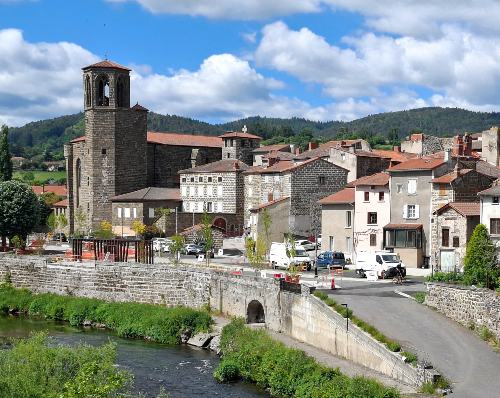
The journey begins in the town of Langeac, a relaxed riverside community in the Auvergne region where the Allier still follows its natural course. Unlike many rivers in Europe, the Allier remains largely free of dams, allowing the water to move as it has for centuries. From the beginning there is a sense that this river belongs as much to wildlife and history as it does to modern travelers.
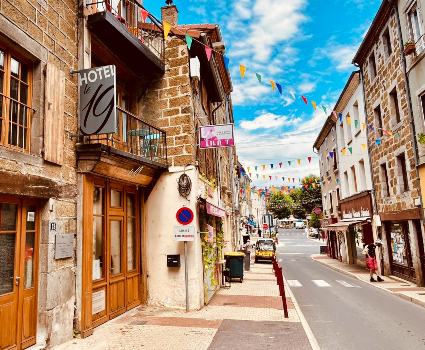
Historic Langeac where the adventure ebgins
 It doesn't take long for the character of the Allier to reveal itself. The current gathers beneath the canoe and the first miles show why this is considered one of Europe's last wild rivers. The water moves with a gentle urgency, swift enough to keep the paddling lively yet calm enough to invite long stretches of quiet drifting. Forests lean over the banks and gravel bars appear midstream where herons and sandpipers patrol the shallows.
One of the most memorable sections arrives as the river enters the Allier Gorge. Dark basalt cliffs rise above the water and the valley narrows into a dramatic corridor of rock and forest. Canoes follow the winding current while birds circle overhead and the sound of water echoes softly against the cliffs. Lunch might be enjoyed on a quiet riverbank, the kind of place where the only interruptions are the rustle of leaves or the splash of a trout rising in the current.
History appears unexpectedly along this stretch of river. Near the village of Chanteuges stand the ruins of a Benedictine abbey that has watched over the valley for more than a thousand years. Exploring its ancient stone walls offers a glimpse into the deep past of this region before returning to the river and continuing downstream.
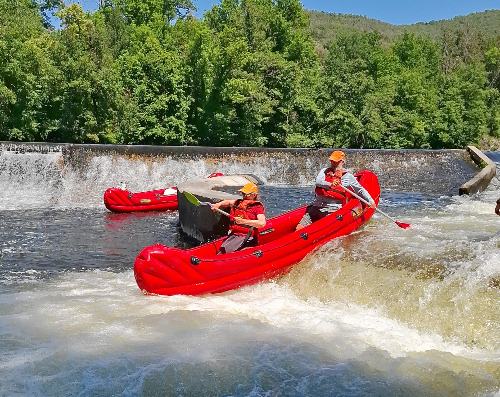
Shooting the flume for the fun of it
 Further along the valley another chapter of history unfolds at Chavagnac-Lafayette. The fortified manor here is known as the birthplace of General Lafayette, the French hero who played a key role in the American Revolution. Standing in the quiet countryside, the castle feels both remote and significant, a reminder that even peaceful landscapes can hold remarkable stories.
Between these historic landmarks the river continues to shape the rhythm of each day. Canoes glide past wooded banks, small villages, and occasional cafés where narrow lanes lead down toward the water. Stops along the way might include a visit to a prehistoric rock shelter at the Falaises du Blot or a walk through the medieval village of Lavoûte-Chilhac.
One of the most striking views comes near the ruins of St. Ilpize. The remains of a medieval castle stand high above the Allier, perched dramatically on a volcanic rock formation. From the river the ruins appear almost suspended above the valley, a scene that feels both ancient and timeless.
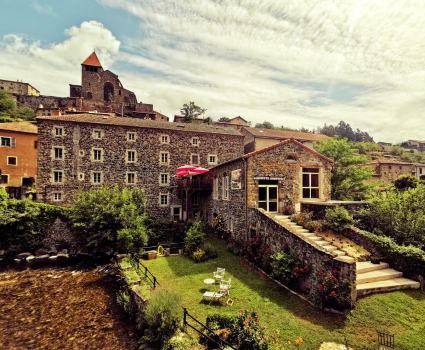
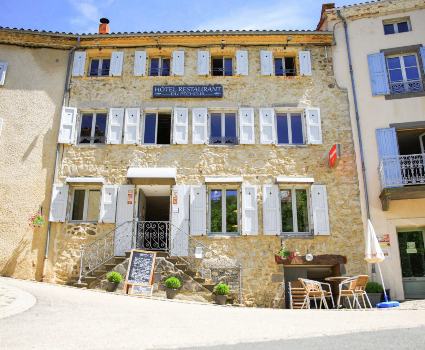
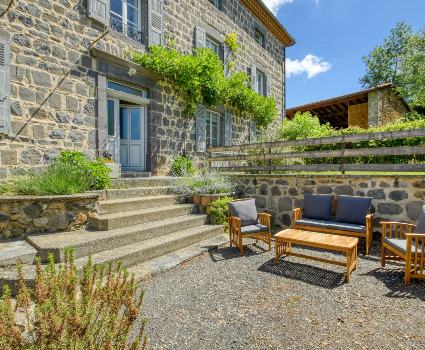
Evenings bring a different kind of pleasure as paddlers settle into welcoming inns and family-run hotels in the valley's small towns. Meals often feature regional dishes such as Agneau du Bourbonnais lamb and other specialties of the Auvergne countryside.
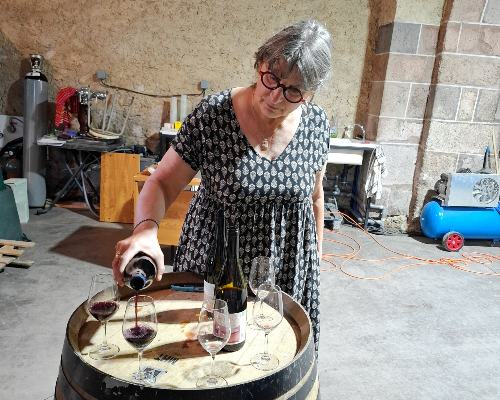
Private wine tasting at a small local cellar
 By the time the river widens near Brioude the journey begins to feel complete. The gorges gradually give way to open plains and the current slows as the Allier approaches the larger Loire Valley beyond.
Traveling the Allier by canoe reveals a side of France many visitors never see. Moving through the landscape slowly by river allows each bend to reveal something new, making the Allier not just a canoe trip but a deeper encounter with one of Europe's most remarkable waterways.