Castles, Cliffs, and the Quiet Rhythm of the Dordogne
In the Dordogne Valley, history rises straight from the riverbanks. Limestone cliffs glow in the sun, castles crown the hilltops, and medieval villages appear around each bend. Traveling here by canoe slows everything down, allowing the landscapes and stories of southwest France to unfold at the gentle pace of the river.
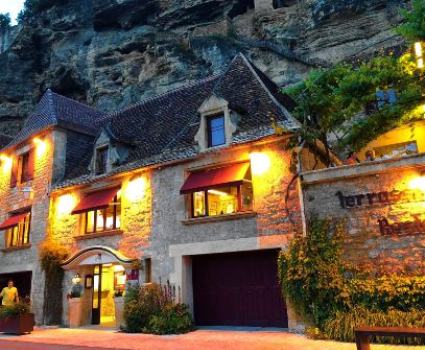
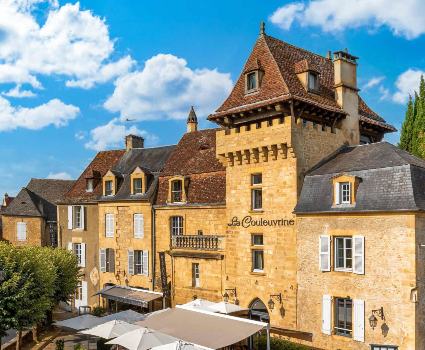
The journey begins in the medieval streets of Sarlat, where honey-colored stone buildings, lively markets, and small cafés set the tone for the days ahead. Walnut stalls and baskets of local cheeses fill the squares, and the scent of fresh pastries drifts from nearby bakeries. It is the perfect starting point for exploring the Dordogne Valley, where rivers have shaped both the landscape and local life for centuries.
Canoeing past Chateaux de la Tryene
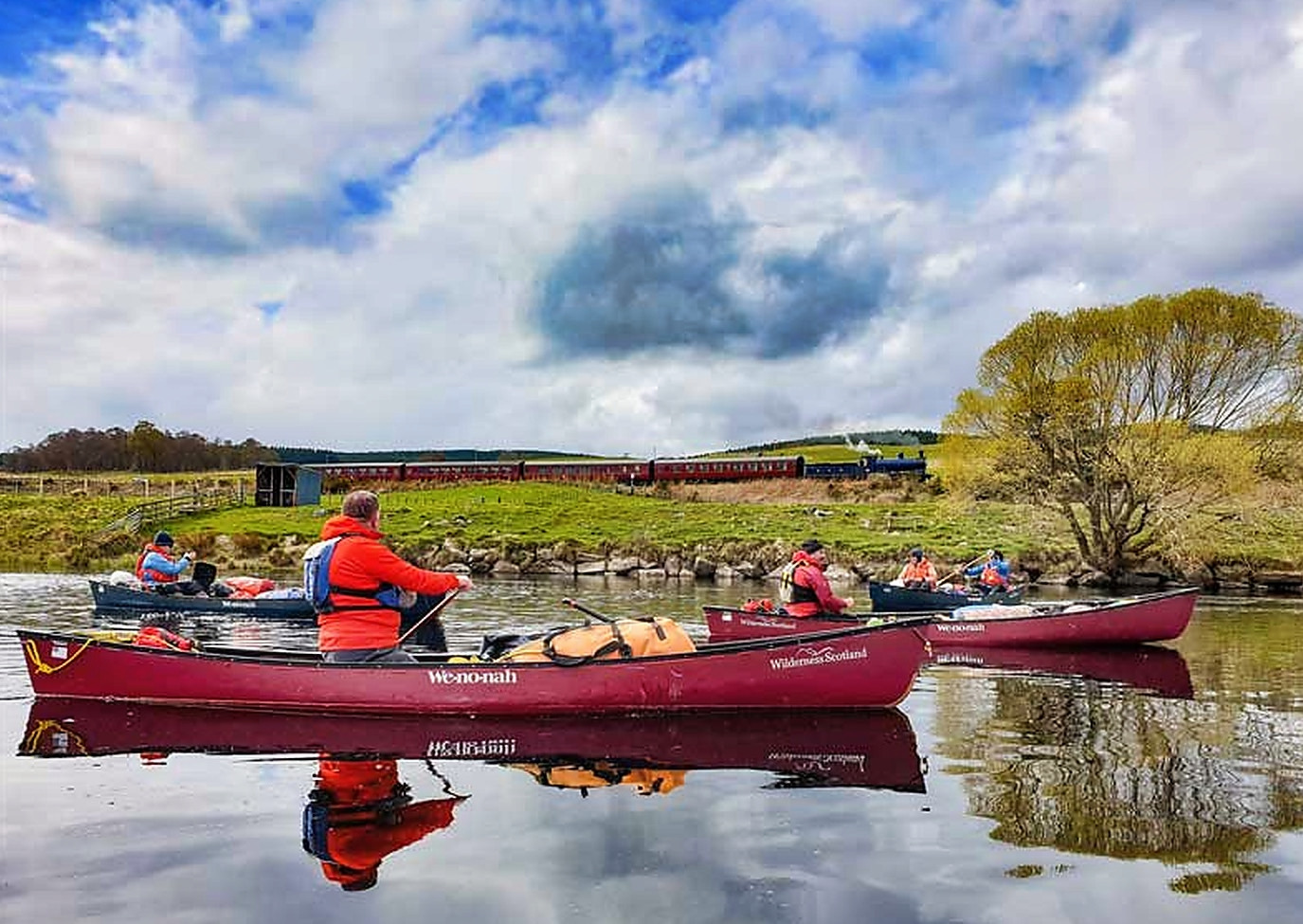
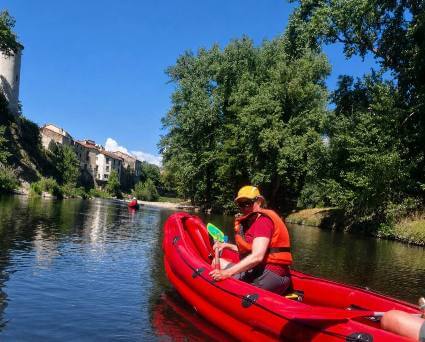
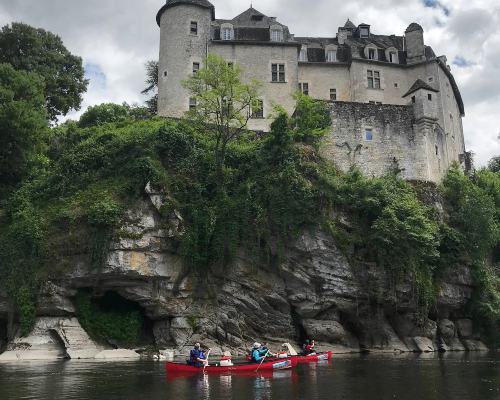 Soon the canoes slip quietly onto the water and the rhythm of river travel takes over. The Dordogne moves at an easy pace, carrying paddlers beneath leafy canopies of oak and poplar that shade much of the river. From the water the valley feels peaceful and protected. Birds call from the trees, kingfishers flash across the current, and church bells occasionally drift across the valley from villages tucked beyond the riverbanks.
Villages appear regularly along the river, each inviting a pause. In Carennac and Saint-Sozy, stone houses gather around small squares and riverside cafés provide the perfect setting for a relaxed lunch. The pace of the river encourages curiosity. Some stops lead to quiet historic streets, others to bakeries where the smell of warm bread drifts onto the lane. This is the pleasure of slow travel, letting the day unfold naturally between stretches of paddling and small moments of discovery.
As the journey continues downstream, the Dordogne reveals the dramatic scenery that has made it famous. Limestone cliffs rise above the river and feudal castles appear on rocky promontories, reminders of the region's turbulent medieval past. High above the valley sits the fortified town of Domme. From its ramparts the river winds through forests and cliffs below, tracing the route paddlers have been following through the valley.
Not long after, one of the most striking scenes on the river comes into view. The village of La Roque-Gageac clings to a wall of golden cliffs that seem to rise directly from the water. Canoes glide quietly past while visitors wander the narrow riverside path, pausing to admire one of the most beautiful villages in France.
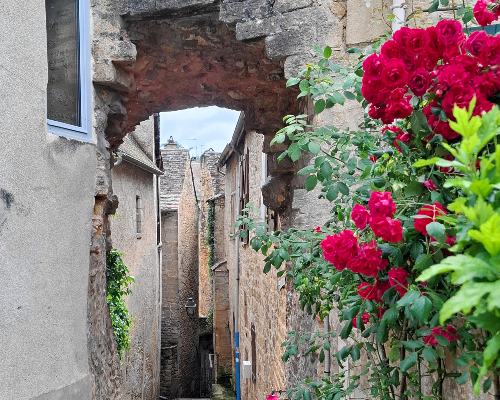
Colorful blooms in Sarlat old city
 Between these historic landmarks, the pleasures of the region reveal themselves at the table. The cuisine of Périgord is celebrated throughout France and evenings often end around generous dinners of local specialties. Duck, walnuts, truffles, and rich country wines appear on the menu, enjoyed in welcoming inns and restaurants that greet paddlers at the end of each day's journey.
By the final stretch of river, paddling feels instinctive and unhurried. The canoe glides through quiet pools and gentle currents toward the imposing fortress of Beynac, which rises dramatically above the riverbank. Reaching it by water feels especially fitting. For centuries travelers have approached these villages the same way, carried along by the slow current of the Dordogne.
Traveling this way reveals the valley in its most authentic form. The river connects villages, landscapes, and traditions in a way few roads can. A week spent paddling here becomes more than a canoe trip. It becomes a deeper experience of southwest France, shaped by the simple rhythm of water, history, and the quiet pleasure of moving through a landscape slowly.