Nakasendo Walk Self-Guided

Walk the old Nakasendo through the Kiso Valley at your own pace, linking post towns, forest trails, rural inns, onsen ryokan, kaiseki-style meals, and the preserved streets of Magome, Tsumago, and Narai.

7 days ✧ Self-Guided ✧ 7 to 19 km per day ✧ Boutique inns ✧ Baggage Transfer
Start: Nakatsugawa / Finish: Narai ✧ Season: March to November ✧ From: $2995

Check Dates

Footsteps Through the Kiso Valley

Walk the old Nakasendo through post towns, cedar forest, cobblestone lanes, mountain passes, rural inns, hot springs, and pilgrimage paths. This self-guided journey follows the Kiso Valley at walking pace, with time to linger, soak, eat well, and feel the old road underfoot.

The Nakasendo was once one of Japan's great highways, linking Kyoto and Edo through mountains, forests, post towns, and river valleys. Today, the Kiso Valley still holds some of that old-road atmosphere. Wooden inns lean toward narrow streets, water runs beside stone lanes, cedar forest shades the trail, and the pace of travel becomes wonderfully human again. You are not rushing through Japan by train window. You are walking into it, one village, one pass, one carefully prepared meal at a time.

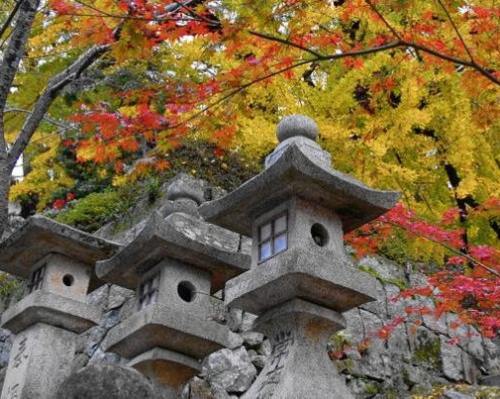
Autumn colors surrond temple lanterns autmun foliage and csarved stone lanterns The journey begins gently in Nakatsugawa, a small city where arrival is left flexible on purpose. There is no need to race to a fixed group schedule. You can check in, wander local streets, find dinner, and ease into the trip. The next morning, the walk begins in earnest, leaving town for farm plots, quiet neighborhoods, the old post town of Ochiai, and the beautiful Ochiai Ishidatami, where Edo-period cobblestones still carry the memory of countless travelers. By the time you climb into Magome, with its sloping stone street, wooden facades, waterwheels, shops, and mountain views, the modern world already feels a little farther away.
Magome to Tsumago is the classic Nakasendo walk, and with good reason. The trail slips between forest, village paths, waterfalls, cobbles, and old resting places, including Tateba Tea House, where travelers have paused for centuries. Tsumago itself is one of the valley's great rewards, carefully preserved and quietly atmospheric, with dark wooden buildings and the feeling that time has agreed to slow down. Nights in small minshuku and ryokan are part of the experience: simple rooms, family hospitality, shared spaces, and dinners that arrive with the care of a household proud to feed you well.

The walking grows more remote beyond Tsumago. The route toward Nojiri follows the Yogawa Michi, an alternate road once used when the main Nakasendo was damaged or difficult to pass. It is longer, quieter, and more deeply rural, crossing mountain countryside, hamlets, woodland, and the Nenoue Pass before descending toward the local train. The reward that evening is Kiso Fukushima and an onsen ryokan, where the day's miles dissolve in natural hot spring water. Onsen culture is beautifully simple once you know the rhythm: wash first, soak slowly, let conversation soften, and allow tired legs to forgive you.

Dinners are as beautiful as they are tasty dinner served at ryokan Kiso Fukushima offers a welcome choice. Walk a back-mountain trail above town, with forest paths, old sites, waterfalls, and valley views, or take a rest day among sake, miso, museums, cafés, and the old Uenodan district. Later, the journey continues by bus to Otaki Village, connected to the pilgrimage traditions of sacred Mount Ontake. Accommodation here is more basic and more atmospheric, the kind of rural ryokan used by walkers and pilgrims for generations. Shared toilets and gender-separated communal bathing are part of the tradition, as are generous meals and the sense of staying somewhere rooted in the mountains.

The Ontake Kodo brings a different kind of beauty from the Nakasendo. It is greener, quieter, and more spiritual, with shrines, mossy forest, stone monuments, waterfalls, and the feeling of mountain devotion along the path. Returning to Kiso Fukushima afterward gives you a final onsen night and a chance to choose dinner in town, perhaps ramen, hot pot, izakaya dishes, or whatever your walking appetite demands.

The final walk from Yabuhara over Torii Pass to Narai feels like a fitting farewell. Forest, cobbles, shrines, and mountain air lead to one of the most beautiful post towns on the old road, often called "Narai of a thousand inns." Its long wooden street invites one last slow wander before the train carries you onward. The Nakasendo does not shout for attention. It works more quietly than that, through footsteps, steam, timber, miso, moss, and the soft satisfaction of arriving somewhere under your own power.
Your Journey, Day by Day

Day 1: Arrive in Nakatsugawa - Small-City Streets & Nakasendo Beginnings

  • Arrive at your own pace.
  • Settle into Nakatsugawa.
  • Explore cafés, shops, and local streets.
  • Dinner independently in town.

Welcome to the Kiso Valley and the old Nakasendo, the mountain road that once linked Kyoto and Edo. Today is intentionally flexible, so you can arrive when it suits your travel plans rather than rushing to meet a fixed group time. After checking into your hotel or ryokan, stretch your legs in Nakatsugawa, a small city with a quietly local feel, neighborhood restaurants, sweet shops, cafés, and the first hints of the countryside waiting just beyond town. Dinner is on your own this evening, giving you time to ease into Japan at your own pace before the walking begins.

Relax: Arrive and explore independently
Eat: Dinner on your own
Sleep: Nagataki

Day 2: Nakatsugawa to Magome - Cobblestones, Country Views & Post Town Charm

  • Walk from Nakatsugawa to Magome.
  • Pass through Ochiai post town.
  • Follow Edo-period Ishidatami cobblestones.
  • Stay in a family-run minshuku.

Your first full walking day is a wonderful cross-section of rural Japan. The route begins in Nakatsugawa and gradually leaves the small city behind, passing suburban lanes, farm plots, quiet neighborhoods, and the old post town of Ochiai before climbing into more rural, wooded scenery. One of the day's highlights is the Ochiai Ishidatami, a beautiful stretch of original Edo-period cobblestone road that still carries the feeling of the old highway underfoot. As the landscape opens, rice fields, mountain views, and village lanes lead you toward Magome, one of the most photogenic post towns on the Nakasendo.

Magome is all sloping stone streets, wooden facades, waterwheels, small shops, and views toward the surrounding mountains. Tonight you stay in a small local minshuku, the kind of cozy family-run inn that gives this journey its warmth. Rooms are simple, hospitality is personal, and dinner is usually a lovingly prepared home-style meal built around seasonal local ingredients. Bathrooms may be shared, which is part of the traditional rural inn experience.

Walk: 9 km
Eat: Dinner
Sleep: Manpakuan Eishoji

Day 3: Magome to Tsumago - Tea Houses, Waterfalls & Edo-Era Streets

  • Walk the classic Magome-Tsumago trail.
  • Visit Tateba Tea House.
  • Pass Odaki and Medaki waterfalls.
  • Stay in a small rural inn.

Today brings the best-known and most beloved section of the Nakasendo, linking the beautifully preserved post towns of Magome and Tsumago. After time to enjoy Magome's steep lanes and old inn-town atmosphere, the trail slips into forest, village paths, mountain views, and sections of historic ishidatami cobblestones. Along the way, you pass Odaki and Medaki waterfalls and the atmospheric Tateba Tea House, a centuries-old resting place that still offers a glimpse of how travelers once paused along the road.

Tsumago is another jewel of the Kiso Valley, carefully preserved with wooden buildings, dark latticework, and a sense that the Edo period has not entirely let go. Tonight's stay will be at a nearby minshuku or ryokan, usually a small family-run inn with two delightful meals and the kind of hospitality that makes rural Japan so memorable. Depending on the inn, bathrooms may be shared or private. If short taxi transfers are needed to connect the trail and accommodation, they are included and arranged in advance to keep the day seamless.

Walk: 8 km
Eat: Breakfast, Dinner
Sleep:Maruya Minshuku

Day 4: Tsumago to Nojiri - Remote Mountain Roads & Onsen Comforts

  • Walk the longer Tsumago-Nojiri route.
  • Follow the quiet Yogawa Michi.
  • Cross mountain countryside and hamlets.
  • Train to Kiso Fukushima for an onsen ryokan stay.

Today's walk is longer and more remote, trading the famous post-town polish of Magome and Tsumago for deeper mountain country. The route follows the Yogawa Michi, an alternate road once used when the main Nakasendo was damaged or difficult to pass. It climbs into quiet hills, passes small hamlets, wooded slopes, and broad countryside views, then crosses the Nenoue Pass before descending toward Nojiri. This is one of the more adventurous walking days of the trip, with the reward of feeling genuinely away from the usual tourist flow.

After reaching Nojiri, you catch the local train to Kiso Fukushima, the cultural and commercial heart of the Kiso Valley. Tonight you stay in an onsen ryokan, where the pace softens beautifully after a full day on foot. Expect a more comfortable inn experience, natural hot spring bathing, and an elaborate seasonal dinner served in the Japanese tradition. Onsen bathing is one of the great pleasures of travel in Japan: wash first, soak slowly, and let the mineral-rich water do what it has done for tired travelers for generations. Private bathrooms are generally the norm on this night.

Walk: 19 km
Travel: Local train from Nojiri to Kiso Fukushima
Eat: Breakfast, Dinner
Sleep: Iwaya Ryokan

Day 5: Kiso Fukushima & Otaki Village - Back-Mountain Trails or a Restful Town Day

  • Choose a back-mountain hike or rest day.
  • Explore Kiso Fukushima's old-town character.
  • Optional local culture, sake, or miso experiences.
  • Bus to Otaki Village for a pilgrim-style ryokan stay.

Today can be as active or as restful as you like. Those ready for more walking can follow a back-mountain route above Kiso Fukushima, where old castle sites, forest paths, waterfalls, and views over the town reveal a quieter side of the valley. If your legs prefer a gentler day, Kiso Fukushima is worth lingering in. The old Uenodan district preserves the town's historic character, while local museums, temples, sake tasting, miso traditions, cafés, and small shops offer an easy way to spend the day without rushing.

In the afternoon, take the local bus to Otaki Village, a place tied to the pilgrimage traditions of sacred Mount Ontake. Tonight's accommodation is intentionally simpler: a rural ryokan of the kind used by walkers and pilgrims for generations. The reward is not luxury polish, but atmosphere, warm hospitality, and excellent traditional meals. Bathrooms and bathing areas are shared here. Following Japanese bathing custom, showers and baths are gender-separated, bathing is done nude, and swimsuits are not worn.

Walk: 8 km optional, or rest day
Travel: Local bus to Otaki Village
Eat: Breakfast, Dinner
Sleep: Kurumisawa Ryokan

Day 6: Ontake Kodo - Pilgrim Paths, Mossy Forests & Sacred Waterfalls

  • Walk the lesser-known Ontake Kodo.
  • Visit shrines and sacred stone monuments.
  • Hike through deep mossy forest.
  • Return to Kiso Fukushima for an onsen stay.

The Ontake Kodo is one of the most atmospheric walks of the trip, a lesser-known pilgrimage trail linked to the Ontake Faith and the sacred mountain that rises above the region. The path leads through deep forest, past shrines, mossy stone steps, religious monuments, and reijinhi stones honoring spiritual leaders connected to the mountain. It is a very different experience from the Nakasendo post towns: quieter, wilder, greener, and filled with the feeling of mountain devotion.

Depending on conditions and the chosen route, the walk may pass powerful waterfalls such as Shintaki and Kiyotaki, places associated with waterfall purification practices. After the hike, take the bus back to Kiso Fukushima for another night at an onsen ryokan, this time with private bathrooms generally expected. By this point in the trip, your appetite may be ready for something more casual, so dinner is independent tonight. Head into town for a local izakaya, ramen, hot pot, or whatever sounds just right after a day in the forest.

Walk: 12 km
Travel: Local bus back to Kiso Fukushima
Eat: Breakfast, Dinner on your own
Sleep: kumori no Yado Komanoyu

Day 7: Yabuhara to Narai - Torii Pass & a Thousand Inns

  • Train from Kiso Fukushima to Yabuhara.
  • Walk the historic Torii Pass.
  • Descend into beautiful Narai Juku.
  • Depart by train after lunch and exploring.

Your final walk begins with a morning train from Kiso Fukushima to Yabuhara, a quiet old post town known for traditional wooden combs. From there, the trail climbs into the Torii Pass, once considered one of the more difficult sections of the Nakasendo and still rich with history, forest, cobbles, shrines, and mountain atmosphere. The pass has long associations with both travelers and worshippers connected to Mount Ontake, making it a fitting final crossing.

The reward is Narai Juku, one of the most beautiful post towns on the Nakasendo and often nicknamed "Narai of a thousand inns." Its long street of wooden buildings, shops, inns, cafés, and old merchant houses makes it a wonderful place for lunch and a leisurely final wander. Depending on your onward plans, you can also look into nearby Kiso Hirasawa, known for lacquerware. In the afternoon, depart by train for your next destination in Japan, carrying the quiet rhythm of the Kiso Valley with you.

Walk: 7 km
Travel: Morning train to Yabuhara, afternoon train from Narai
Eat: Breakfast

Back to the story         Always start with the itinerary

Does this sound like your cup of tea?

Ready to book your spot on the Nakasendo Walk Self-Guided? Check out the available dates & prices, then sign up! Or request a private date for you & your friends, family.

Check Dates

Get an itinerary for your friends? Send your friends (or yourself) a copy of all the sweet details, day-by-day itinerary, route profiles, inclusions, and more!

Request Tour Flyer

The cool inns where you will sleep!


  • photo of Nagataki

    Nagataki

    Six private old-farmhouse cottages sit in wooded grounds above Nakatsugawa, with garden views, seasonal cooking, and Mount Ena on the horizon.

  • photo of Manpakuan Eishoji

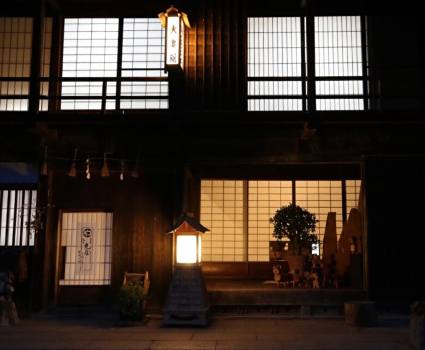
    Manpakuan Eishoji

    A quiet temple lodging just off Magome's old main street, with garden-view rooms, mountain food, optional zazen, and the stillness of a Nakasendo night

  • photo of Maruya Minshuku

    Maruya Minshuku

    Founded in 1789 between Magome and Tsumago, this old minshuku keeps the post-town mood alive with irori hearths, simple rooms, and generous meals.

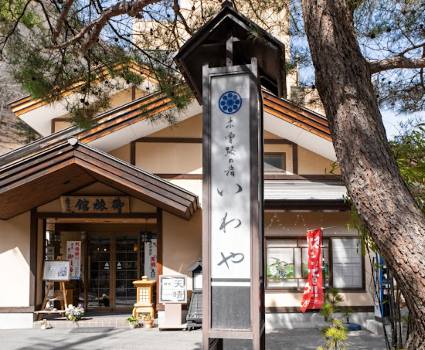
  • photo of Iwaya Ryokan

    Iwaya Ryokan

    One of the Kiso Road's oldest inns, with more than 350 years of history, natural hot spring baths, and traditional rooms in Fukushima-juku.

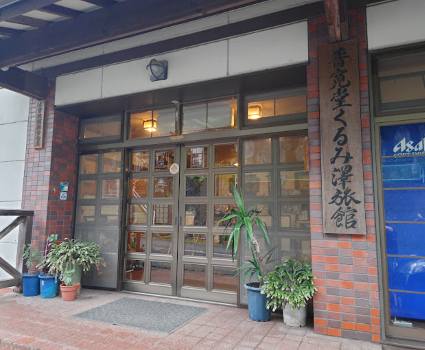
  • photo of Kurumisawa Ryokan

    Kurumisawa Ryokan

    A mountain ryokan founded in 1869 near sacred Mount Ontake, with handmade seasonal dishes, forest ingredients, and warm wooden baths.

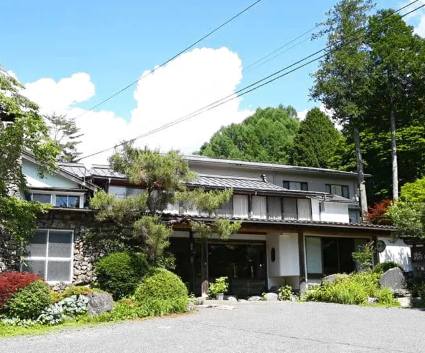
  • photo of Nukumori no Yado Komanoyu

    Nukumori no Yado Komanoyu

    A country onsen inn tucked into the Kiso foothills, with its own spring, mountain views, and the easy warmth of a long-running rural retreat.

Note: Hotels shown are our preferred choices but may not be available for all dates. Alternates will be of similar style and quality.

Ready to Join Nakasendo Walk Self-Guided


Book a scheduled departure or request your own dates.

16 - 22 May 2027 $2995 7 days Book Now available
14 - 20 Nov 2027 $2995 7 days Book Now available
single occupancy from +$450deposit $450prices per person in US Dollars
Plan a private departure for you, your friends or family!       Request Your Dates

All the little details!

Getting to the Fun!
Your papers, please

All guests need a valid passport for this tour, and your passport should be valid for at least six months beyond the end of the trip.

Many Pedalers guests, including U.S. passport holders, do not need a visa for a short tourist visit to Japan. Travelers with other passports should confirm current requirements before booking international flights.

What is the food like on the Nakasendo Trail?

Japan is one of the world's great food cultures, and meals are as carefully presented as they are delicious. Expect locally grown produce, homemade pickles and sweets, fresh fish, rice or noodles, and beautifully prepared regional dishes, often served in the quiet comfort of a traditional inn after a day on the trail.

Can you accommodate special dietary needs in rural Japan?

The small, traditional minshuku and ryokan used on this tour are not able to provide vegetarian or vegan meals. These rural inns usually prepare one set dinner menu for all guests staying that evening, and while Japanese cooking uses many vegetables, common broths, sauces, and seasonings often contain fish products.

Ryokan and minshuku in larger cities may offer more modern or varied dining options, but the rural inns that give this trip so much of its character are much more traditional. For guests with strict dietary requirements, Japan can be a challenging destination.

How difficult is navigation on the Nakasendo Trail?

The trail is fairly well signposted and is also described in detail in our written trail guide. Our route developer, Michael King, wrote the definitive guide to the Nakasendo Trail, and that local knowledge is built into the route sheets you carry each day.

Are luggage transfers included on the Nakasendo walk?

Yes. Unlike some self-guided walking trips, we include luggage transfers between hotels every day, so you can walk with a light daypack rather than carrying your main bag from inn to inn.

What happens if I get lost while walking in Japan?

Your trail guide includes destination and town names in both English and Japanese, so people in villages or along the trail can help point you back in the right direction even without shared language skills. We are also only a phone call away if you need help.

Is English widely spoken on the Nakasendo Trail?

English is not widely spoken in the small rural villages along the route. Some innkeepers speak a little English, and overnight towns that receive more visitors may have more English spoken than quieter places along the trail, but part of the charm is traveling through a side of Japan that still feels wonderfully local.

How physically demanding is the Nakasendo walk?

The walks are moderate, usually 3 to 5 hours from start to finish. The terrain is a mix of hills and river valleys, so some pre-tour conditioning is a good idea. Long walks, stair climbing, and time on uneven paths all help prepare you for the trail.

How easy is it to use trains during the Japan walking trip?

Japan's train system is efficient, punctual, and fairly easy to use. Many station ticket machines offer an English-language option, and trains usually display the next station on board so you know when to prepare to get off.

More cool adventures for you


Request a copy of this tour's details to read offline
and share with your friends.


Send a copy to your friend:


X

Book: Nakasendo Walk Self-Guided for date selected


X

Go Private: Nakasendo Walk Self-Guided

Tell us what you have in mind and we'll see what we can put together.


X
join our mailing list form

 Stay in the Loop with Pedalers 

Get our newsletter with details on new tours, destinations and recipes for the exotic dishes we discover.
(fried spam and eggs ok, email spam no way)


X