Bridges, Pilgrims, Sea Roads, and Sanuki Udon
Ride from Onomichi across the island bridges of the Seto Inland Sea into Shikoku, where coastal roads, castle towns, sacred mountains, pilgrimage temples, hot springs, and handmade udon create a journey that feels deeply Japanese and refreshingly off the usual path.
Shikoku begins before you even reach Shikoku. It begins in Onomichi, a harbor town of hillside temples, narrow lanes, cafés, creative corners, and views out over the Seto Inland Sea. The town has a lovely in-between feeling, neither big city nor sleepy village, and it makes a perfect starting point for a ride shaped by islands, bridges, sea air, and pilgrimage traditions. The bikes can wait a moment while you wander temple paths, look down toward the harbor, and settle into the quieter tempo of western Japan.
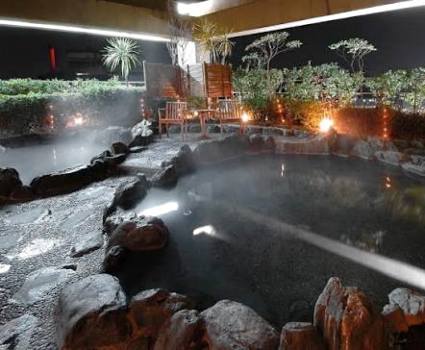
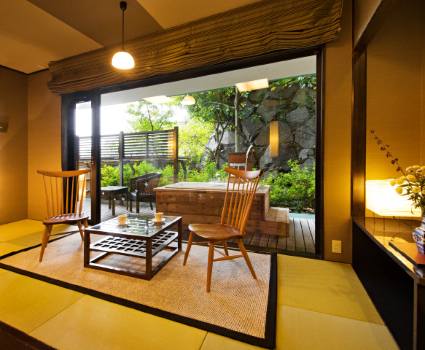
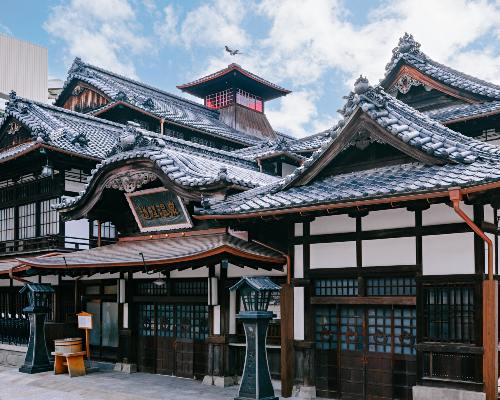
Ancient Dogo Onsen
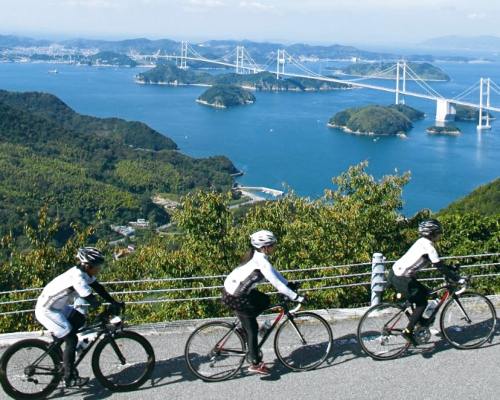
 Then comes the Shimanami Kaido, one of Japan's great cycling routes and a joyful way to move through the Inland Sea. Elegant suspension bridges leap from island to island, lifting riders above blue channels, citrus groves, fishing ports, and small towns with an easygoing island rhythm. On Omishima and around Setoda, the journey mixes scenic riding with cultural texture: the colorful flourishes of Kosanji Temple, local food traditions, and a hands-on farm experience that brings the landscape down to earth. It is not just a pretty ride over bridges. It is a ride through communities that have always lived with the sea.
Crossing the Kurushima Kaikyo bridges into Shikoku feels like entering a new chapter. The waters here once belonged to the Murakami Kaizoku, powerful sea clans who controlled these channels, and their story gives the coastline a sharper edge. Maritime history, samurai armor, shrines, and harbor views give the early days a layered sense of place. Soon the route rolls toward Matsuyama, one of Japan's great castle towns, where Matsuyama Castle rises above the city and the historic Dogo Onsen district offers a different kind of travel pleasure: bath culture, old streets, and the restorative art of a good soak.
Shikoku is famous for pilgrimage, and the ride gradually turns toward that quieter spiritual landscape. Leaving the coast, the road moves into the Ishizuchi mountain region, where forests, villages, and sacred traditions replace sea views and bridge spans. At Ishizuchi Shrine, the island's mountain faith comes into focus. The pace here feels reflective, not solemn, with enough riding to feel the terrain and enough stillness to let the setting settle in.
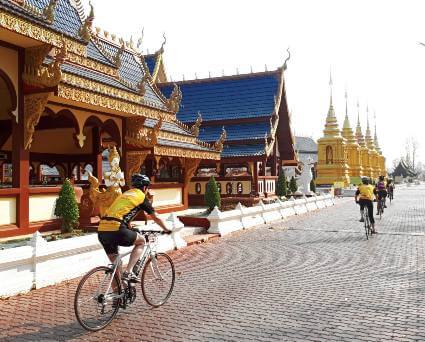
Cycle tourists overlooking the Seta Inland Sea
 By the time the route enters Kagawa, Shikoku's cultural personality becomes wonderfully varied. A short sightseeing ride connects pilgrimage sites, old towns, and farmland, with Kanonji Temple tying the day to the famous Shikoku pilgrimage route. From Takaya Shrine, perched high above the coast, the Inland Sea spreads wide below. At Chichibugahama Beach, sunset brings a softer spectacle, with mirror-like reflections and the kind of light that makes everyone reach for a camera and then forget to use it for a moment.
Kagawa is also udon country, which is very much a spiritual tradition of its own. The ride to Kotohira Shrine, or Konpira-san, brings pilgrims, seafarers, stone steps, and a deep sense of place together, while a hands-on Sanuki udon experience makes lunch part of the story. Add the old Kanamaruza Kabuki theater, a peaceful morning ritual at Zentsuji, coastal roads into Takamatsu, and the refined beauty of Ritsurin Garden, and the journey finishes with a lovely balance of movement and stillness. This is Shikoku at Pedalers pace: island bridges, coastal culture, sacred mountains, local food, and just enough surprise to make the road feel new every morning.